What a Smart Building Should Actually Do for Occupants
Technology earns its place when it removes friction and improves comfort.
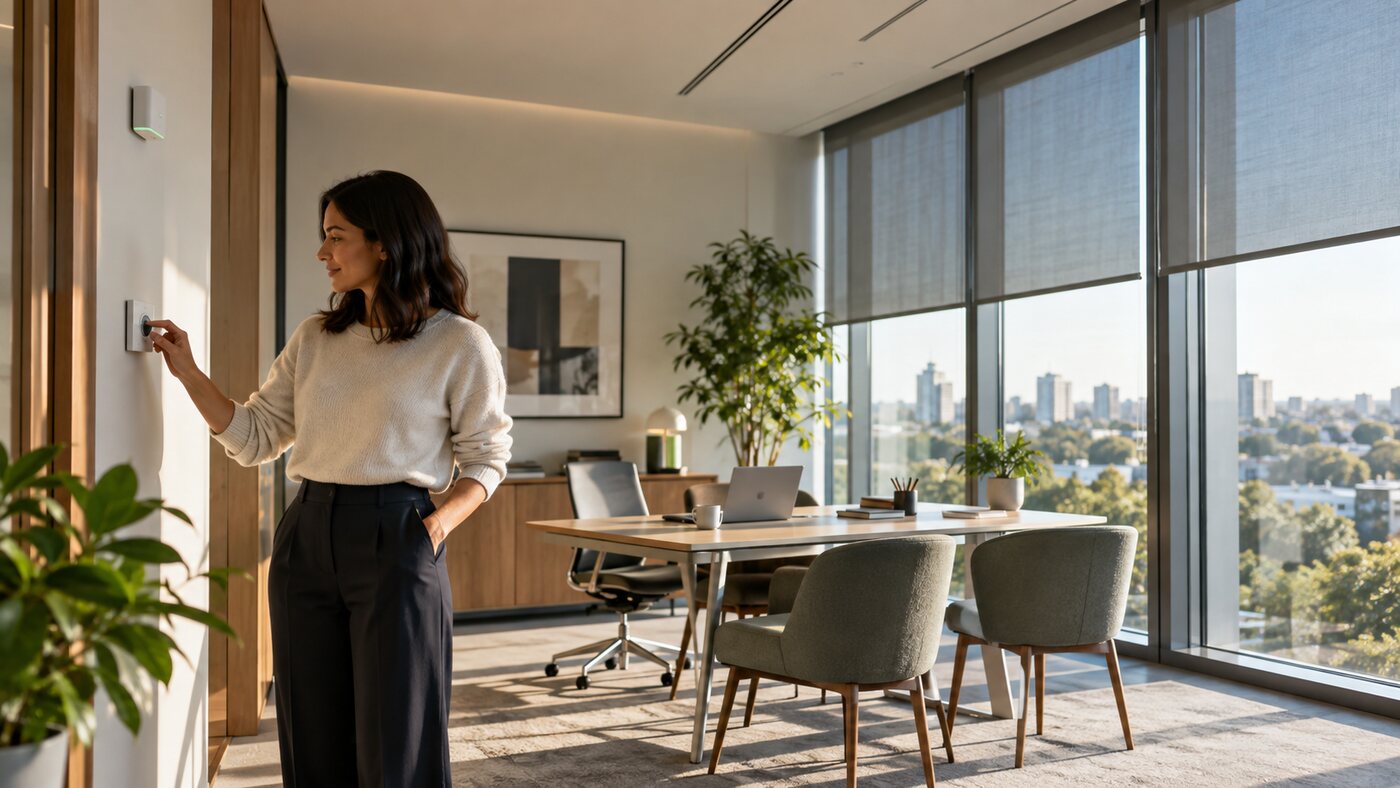
Technology earns its place when it removes friction and improves comfort. This guide takes a practical view. It focuses on the decisions that influence how a property performs, feels and retains value after the launch material has been put away.
Why this matters now
The smartest building is not the one with the most screens. It is the one that quietly improves comfort, efficiency, safety and decision-making. We examine practical building technology and the platforms changing property work. For owners, buyers and industry teams, the useful question is not whether an idea sounds impressive. It is whether it improves experience, reduces avoidable risk and remains workable over time.
Start with the outcome
Occupants value reliable access, air quality and responsive maintenance more than novelty. This deserves a direct conversation with the people responsible for design, delivery and ongoing operation. Ask for evidence that can be checked: drawings, specifications, test results, service standards, cost assumptions or comparable completed work.
Look beyond the first impression
A single clear interface is usually better than several disconnected applications. This deserves a direct conversation with the people responsible for design, delivery and ongoing operation. Ask for evidence that can be checked: drawings, specifications, test results, service standards, cost assumptions or comparable completed work.
Test the operating reality
Manual overrides and helpful support remain essential when automation fails. This deserves a direct conversation with the people responsible for design, delivery and ongoing operation. Ask for evidence that can be checked: drawings, specifications, test results, service standards, cost assumptions or comparable completed work.
Questions worth asking
- Who is responsible for delivering and maintaining the promised outcome?
- Which assumptions have the greatest effect on cost, comfort or performance?
- How will results be measured after occupation?
- What happens when use, climate or market conditions change?
The StructureTooBIG view
Strong property decisions come from connecting design ambition with technical evidence and day-to-day reality. What a Smart Building Should Actually Do for Occupants is best understood through that complete picture. Readers should use this overview as a starting point and obtain project-specific legal, financial or engineering advice before acting.