Super-Tall Design Is Becoming More Climate-Aware
Tall-building teams are adapting global engineering knowledge to local heat, rain and wind.
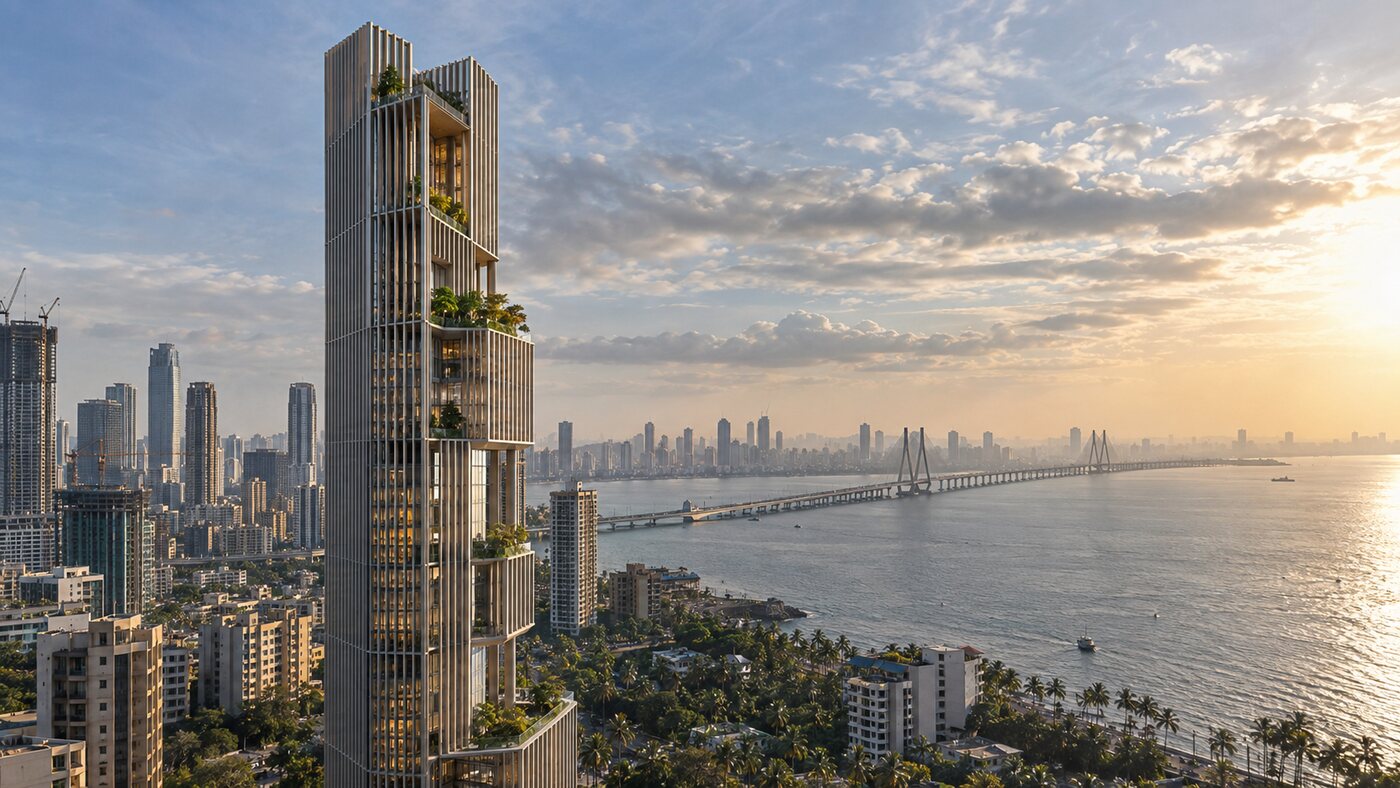
Tall-building teams are adapting global engineering knowledge to local heat, rain and wind. This briefing focuses on a developing shift rather than a single announcement. It explains what the movement means, what deserves scrutiny and how readers can separate durable change from short-lived promotion.
Why this matters now
Tall buildings are compact cities in their own right. We explain the structures, façades, vertical transport, fire strategy, wind engineering and public-realm choices that determine whether a tower works as impressively as it looks. For owners, buyers and industry teams, the useful question is not whether an idea sounds impressive. It is whether it improves experience, reduces avoidable risk and remains workable over time.
Start with the outcome
Façades are being tuned more carefully to orientation instead of receiving one universal treatment. This deserves a direct conversation with the people responsible for design, delivery and ongoing operation. Ask for evidence that can be checked: drawings, specifications, test results, service standards, cost assumptions or comparable completed work.
Look beyond the first impression
Mechanical design increasingly starts with realistic occupancy and climate assumptions. This deserves a direct conversation with the people responsible for design, delivery and ongoing operation. Ask for evidence that can be checked: drawings, specifications, test results, service standards, cost assumptions or comparable completed work.
Test the operating reality
Resilience planning now extends beyond structure to water, power and safe building operations. This deserves a direct conversation with the people responsible for design, delivery and ongoing operation. Ask for evidence that can be checked: drawings, specifications, test results, service standards, cost assumptions or comparable completed work.
Questions worth asking
- Who is responsible for delivering and maintaining the promised outcome?
- Which assumptions have the greatest effect on cost, comfort or performance?
- How will results be measured after occupation?
- What happens when use, climate or market conditions change?
The StructureTooBIG view
Strong property decisions come from connecting design ambition with technical evidence and day-to-day reality. Super-Tall Design Is Becoming More Climate-Aware is best understood through that complete picture. Readers should use this overview as a starting point and obtain project-specific legal, financial or engineering advice before acting.